
Expert in Colorectal and Laparoscopic surgery in the heart of Abu Dhabi. Over 20 years of advanced surgical experience.
Our practice is dedicated to providing advanced, minimally invasive surgical solutions with a focus on same-day recovery and patient comfort.
Why to choose THD Anolift in treating hemorrhoidal disease?
THD technique treats the blood vessels that cause the hemorrhoidal disease
THD technique preserves the hemorrhoidal cushions and the anal tissue and does not compromise their function in controlling defecation
THD technique is a less invasive, less traumatic, and dramatically less painful surgical treatment
THD technique is an effective treatment, helps faster symptom relief with a minimal recurrence rate
THD technique has become the patient’s favorable choice due to the maximum convenience and the fast recovery offered
Based on clinical evidence and several scientific studies, the THD® Doppler for Anolift technique is indicated for the surgical treatment of all grades of hemorrhoidal disease.
The procedure has proved effective and safe for all grades of hemorrhoids that do not respond to conservative and outpatient treatments. Depending on the symptoms and the degree of the disease, the surgeon will evaluate whether to perform only the ligation of the hemorrhoidal arteries or a dearterialisation with mucopexy.
THD® Doppler for Anolift: surgical technique
The THD® Doppler for Anolift technique stems from constant research in the clinical field associated with cutting-edge technologies. THD® Doppler for Anolift surgery allows to effectively treat the causes of hemorrhoidal disease, resolving the symptoms.
The THD® Doppler for Anolift method is a surgical procedure which enables treatment of both the arterial overflow and of the hemorrhoidal prolapse. The haemorrhoidal disease is in fact connected to hypertension of the hemorrhoidal plexus (vascular component) and to degeneration of the connective tissue (mechanical component). Both the vascular component and the mechanical component can be associated with the characteristic symptoms of the haemorrhoidal pathology: bleeding and prolapse.
Aim of the THD® Doppler for Anolift technique is to act on the causes of the hemorrhoidal disease and thus to resolve the symptoms associated with it. This is why the THD® Doppler for Anolift method involves both dearterialisation and mucopexy.
Transanal hemorrhoidal dearterialisation makes it possible to reduce the arterial hyper-flow to the hemorrhoids through the ligation of the terminal branches of the superior rectal artery under the guide of a Doppler ultrasonography. While the purpose of the mucopexy is to reposition the prolapsed tissue in its original anatomical position by providing support to the connective tissue through scarring.
We accept all major insurance plans


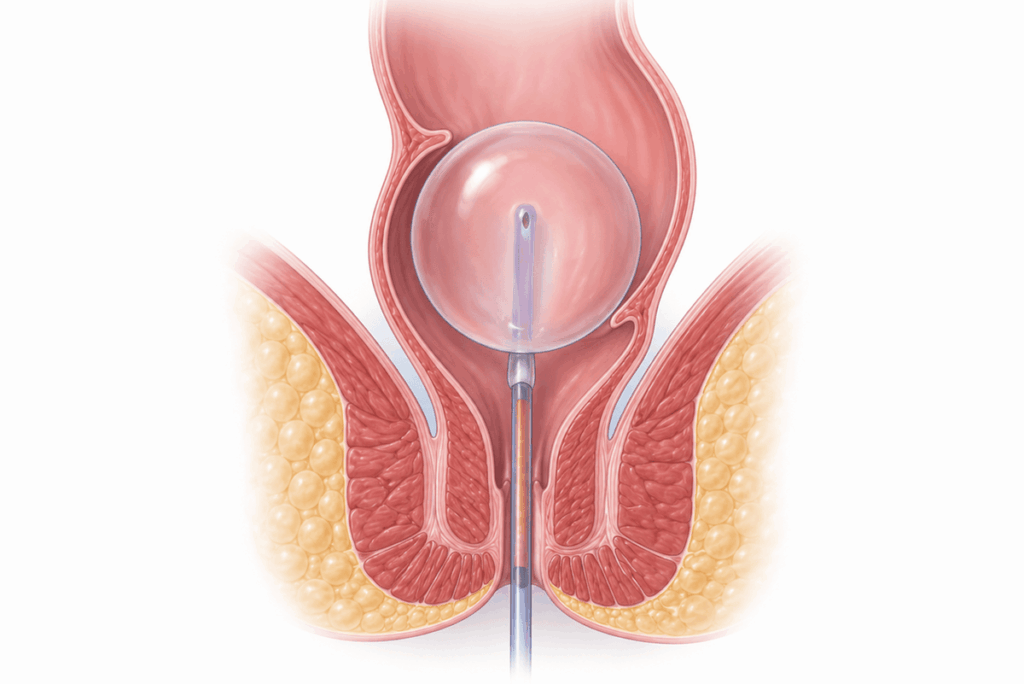
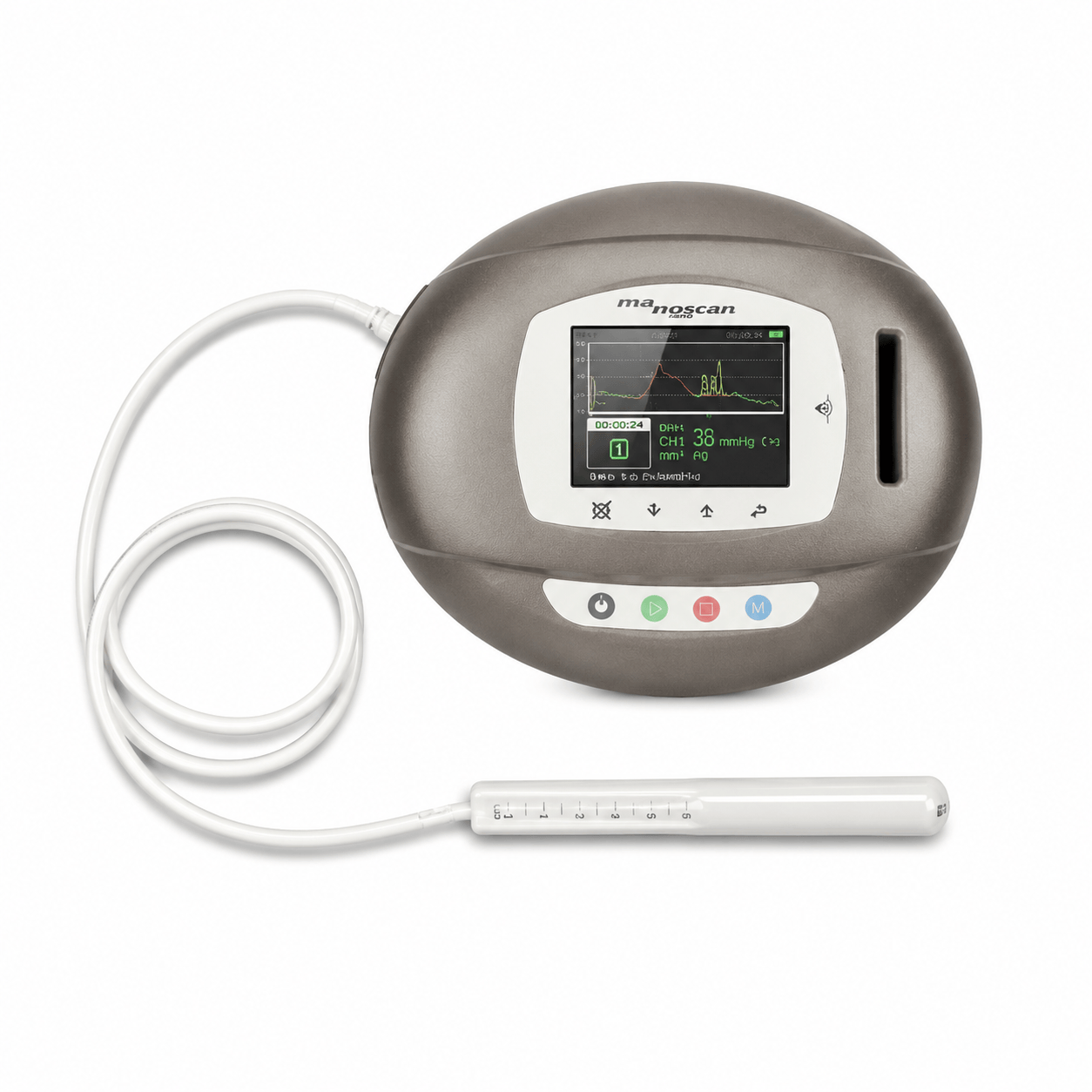
Anorectal Manometry measures sphincter pressure and function with millimeter precision, helping detect the root cause of incontinence or evacuation disorders before they’re visible on any scan.
Read More →
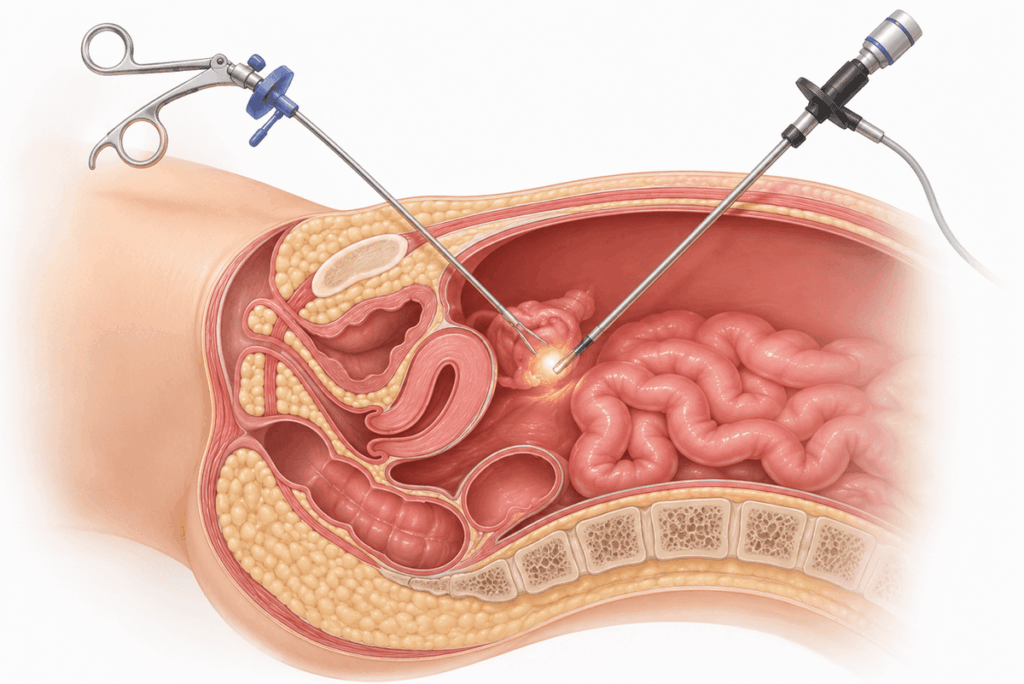
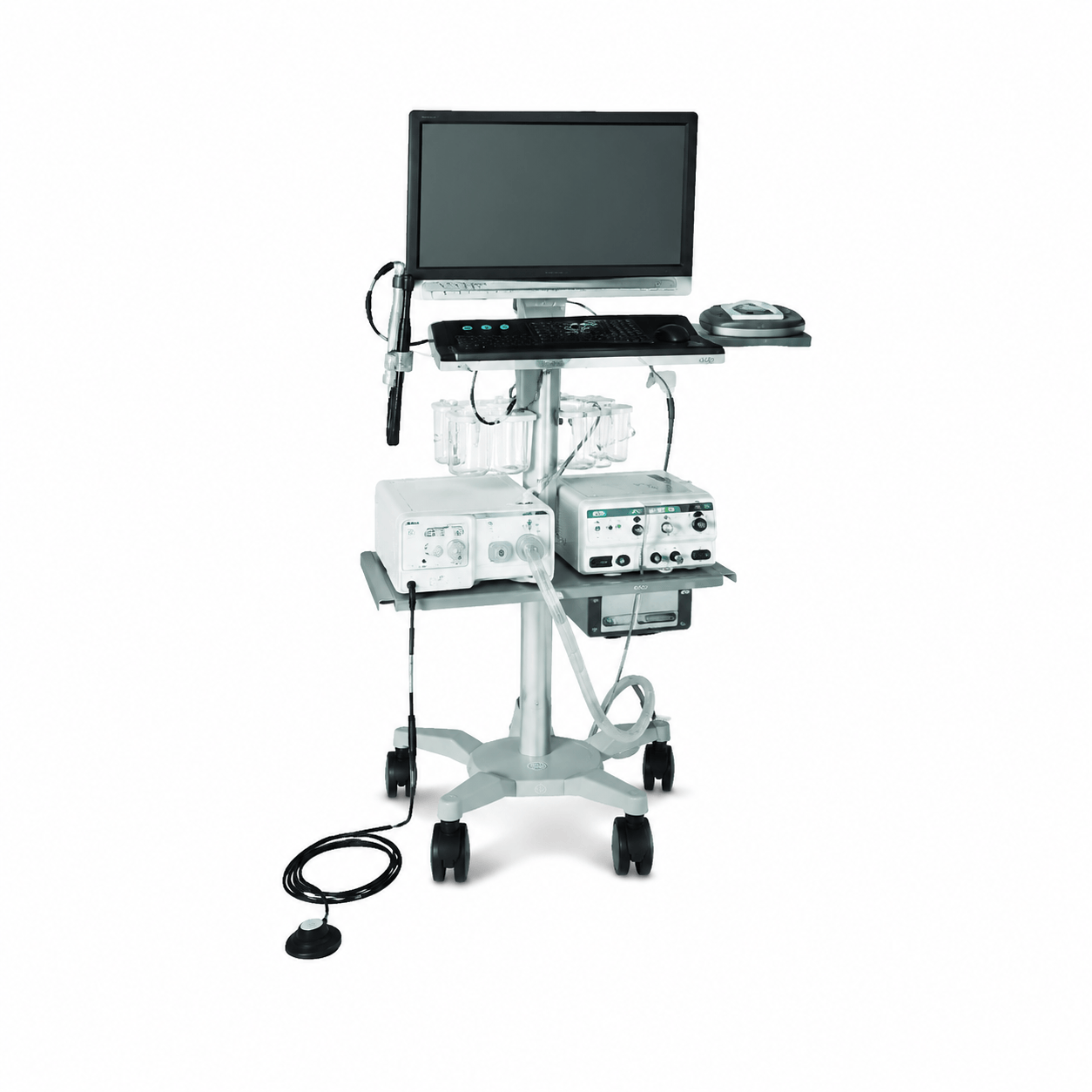
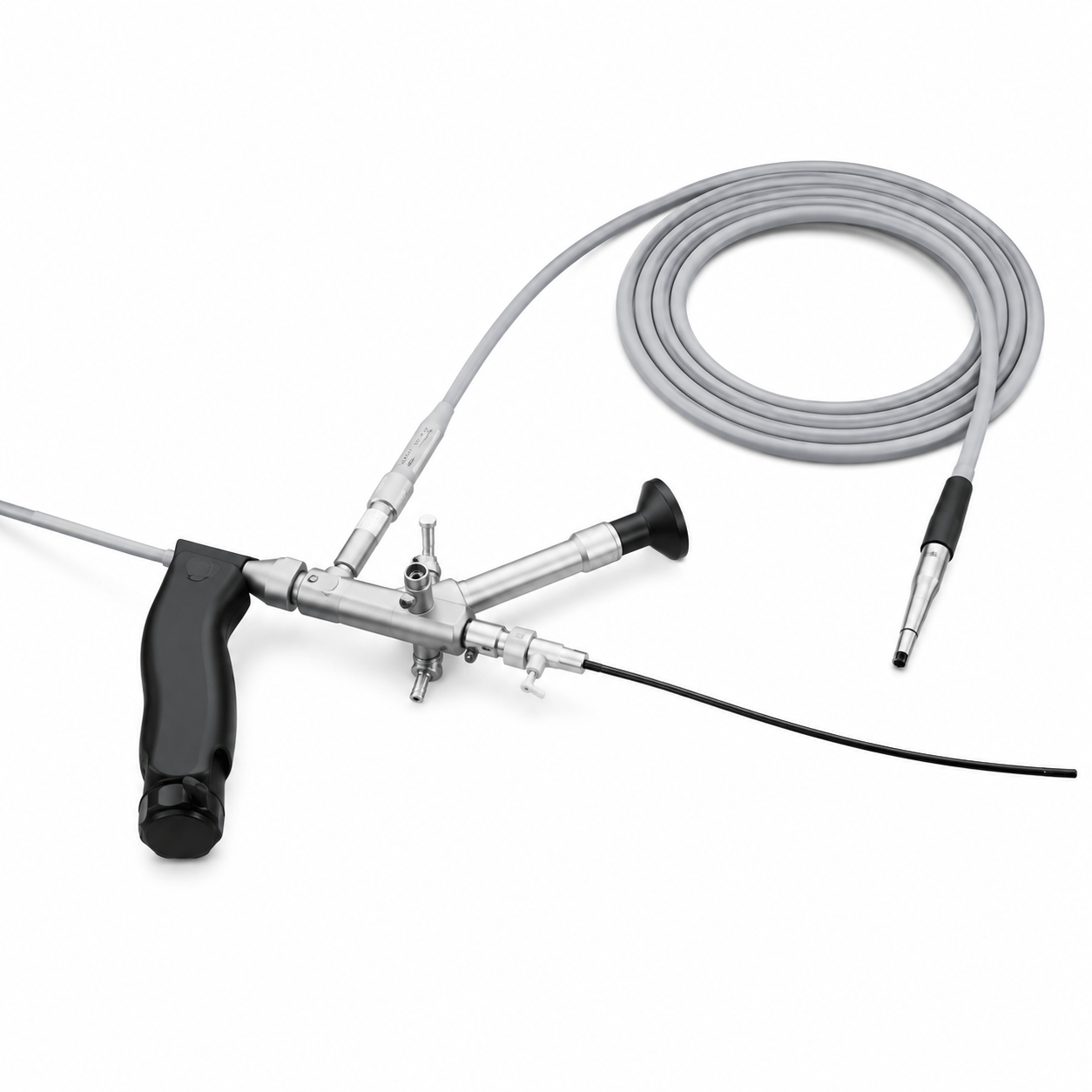
A fully integrated diagnostic unit combining video-endoscopy and high-resolution imaging allowing precise, real-time assessment of anorectal conditions in a single session.
Read More →
Video-Assisted Anal Fistula Treatment maps the fistula tract internally through a micro camera locating every branch with pinpoint accuracy, without a single external incision.
Read More →
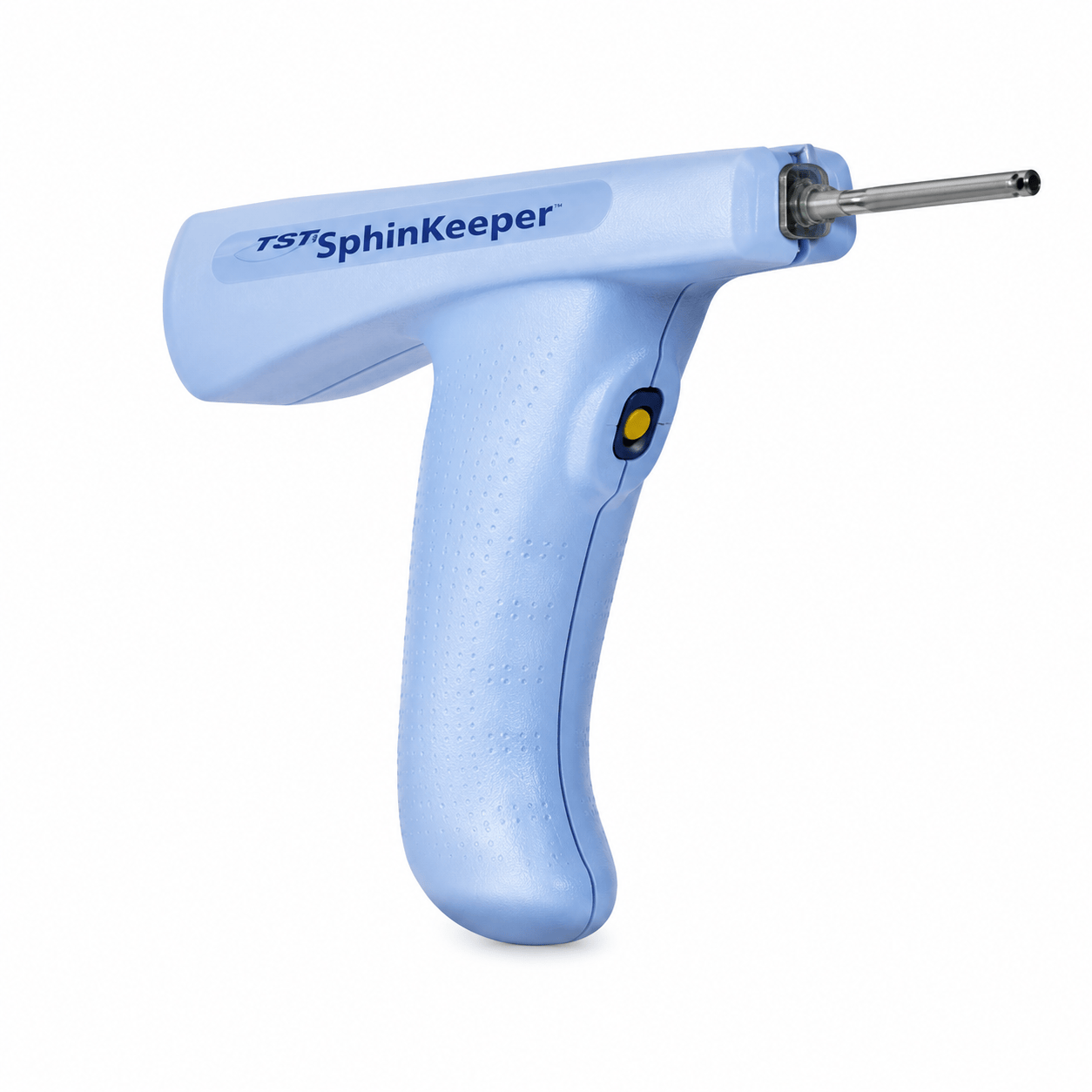
An advanced implant system that restores sphincter function and control giving patients with anal incontinence a lasting, minimally invasive solution.
Read More →
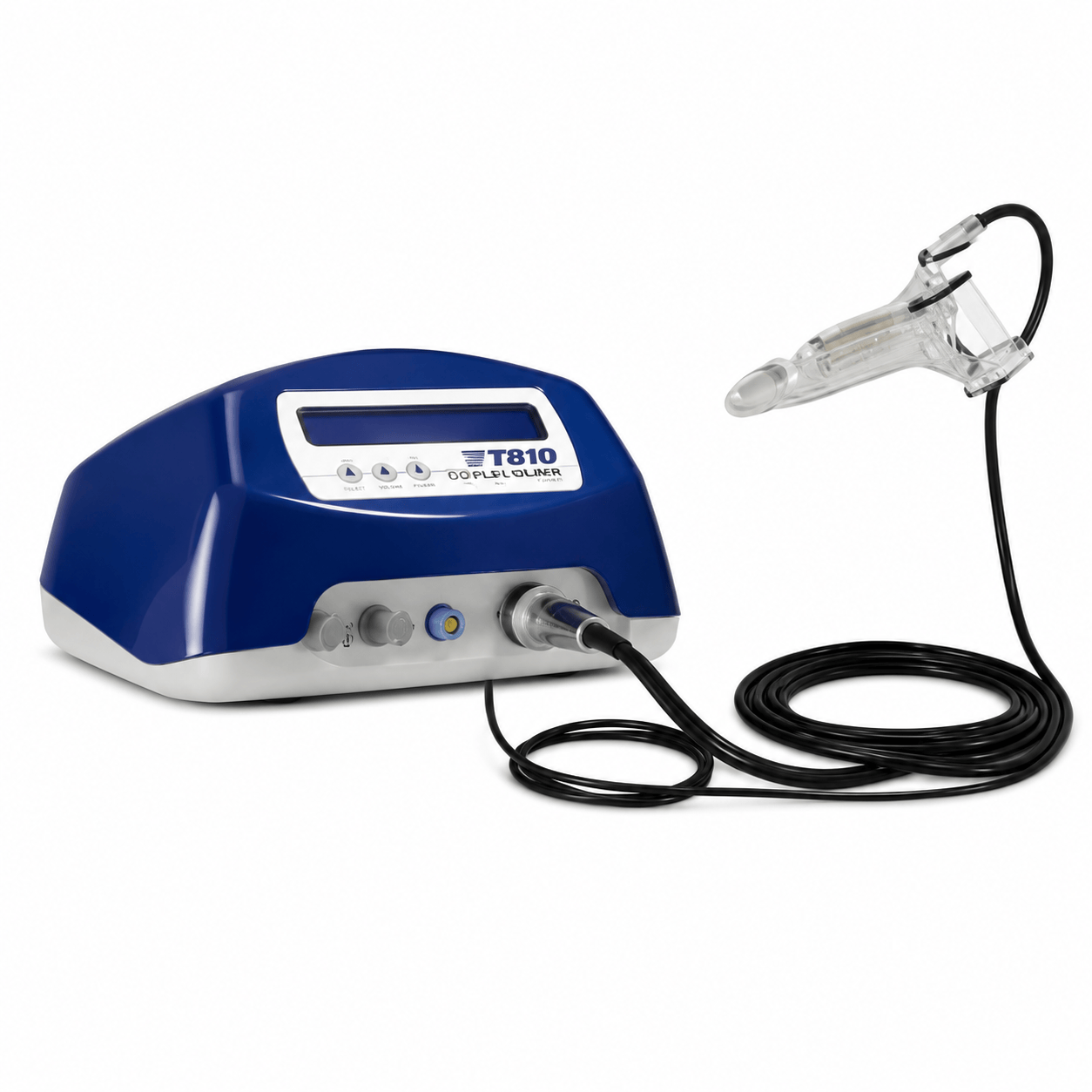
Doppler guided ultrasound identifies the exact arteries feeding hemorrhoidal tissue the technology behind THD, allowing treatment without cutting.
Read More →
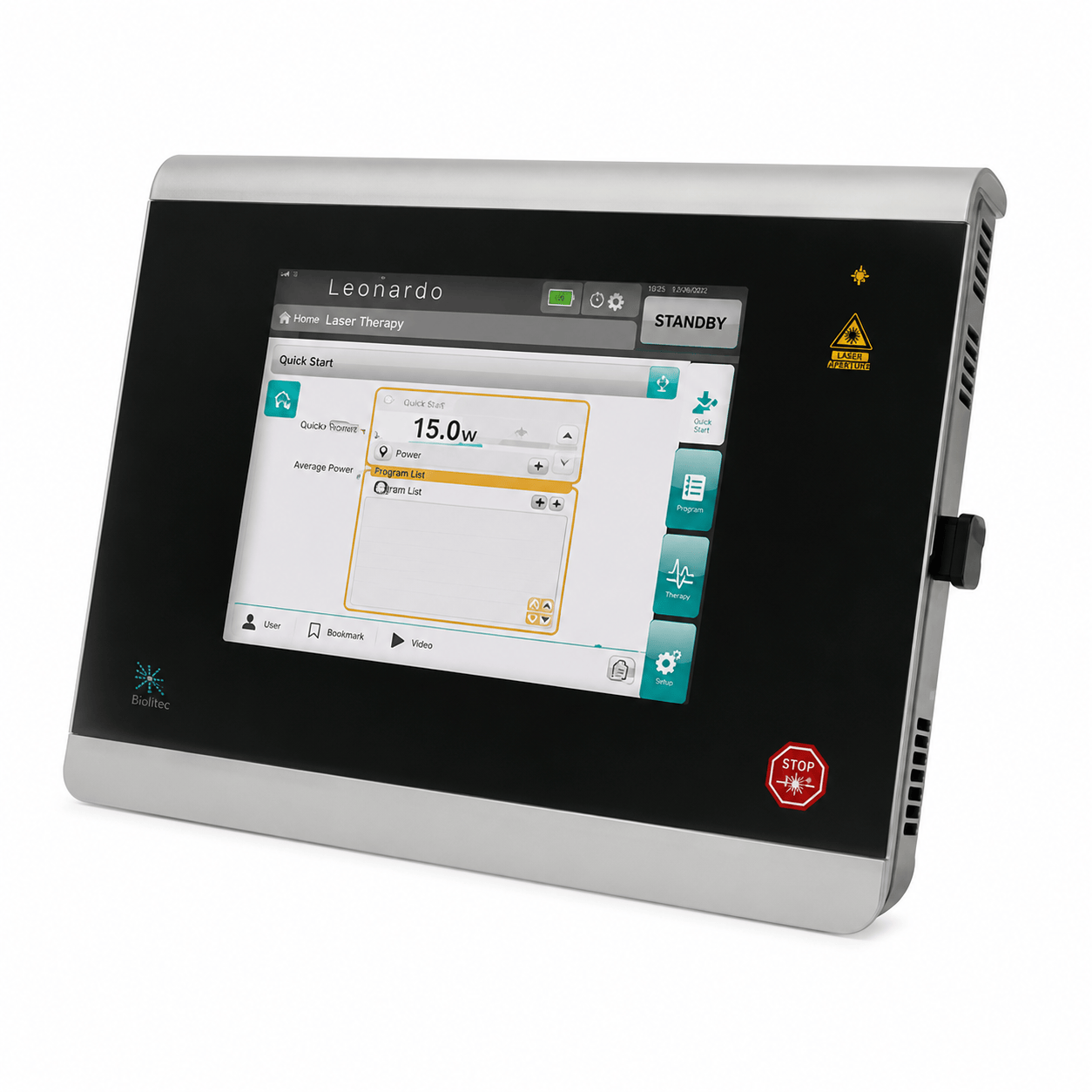
A high precision surgical laser used for FiLaC and laser hemorrhoidectomy sealing tissue with heat instead of blades, for less pain and faster healing.
Read More →
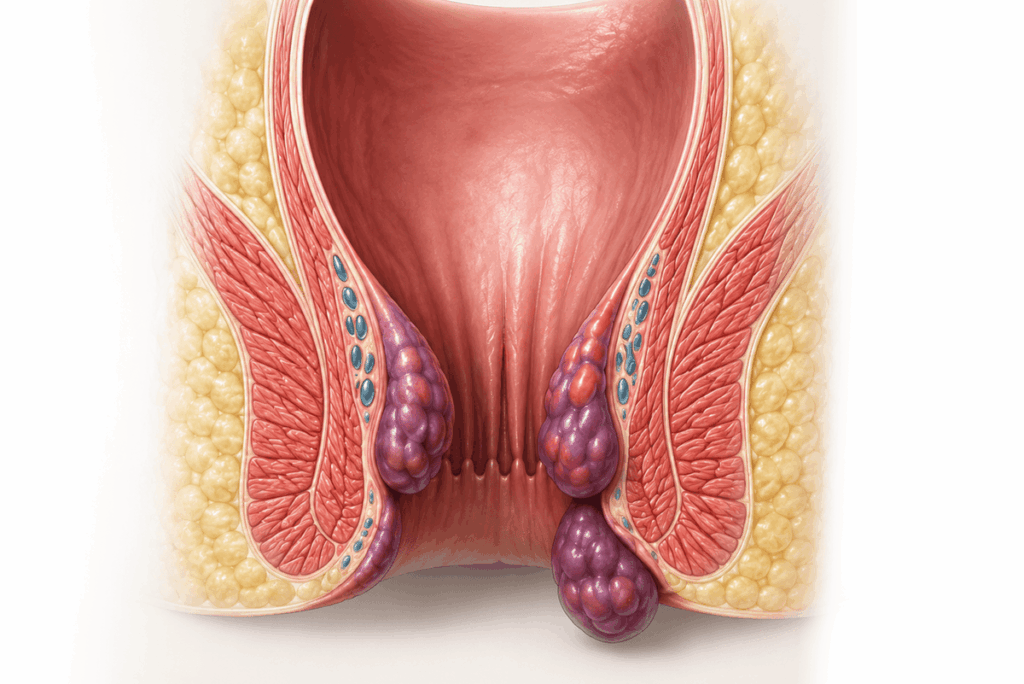
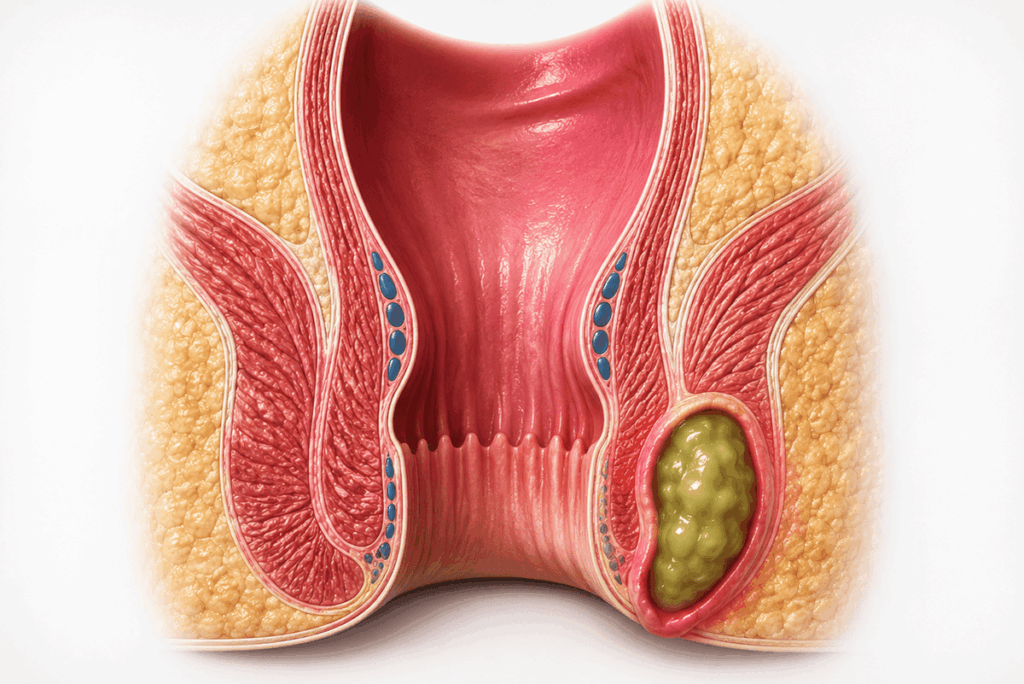
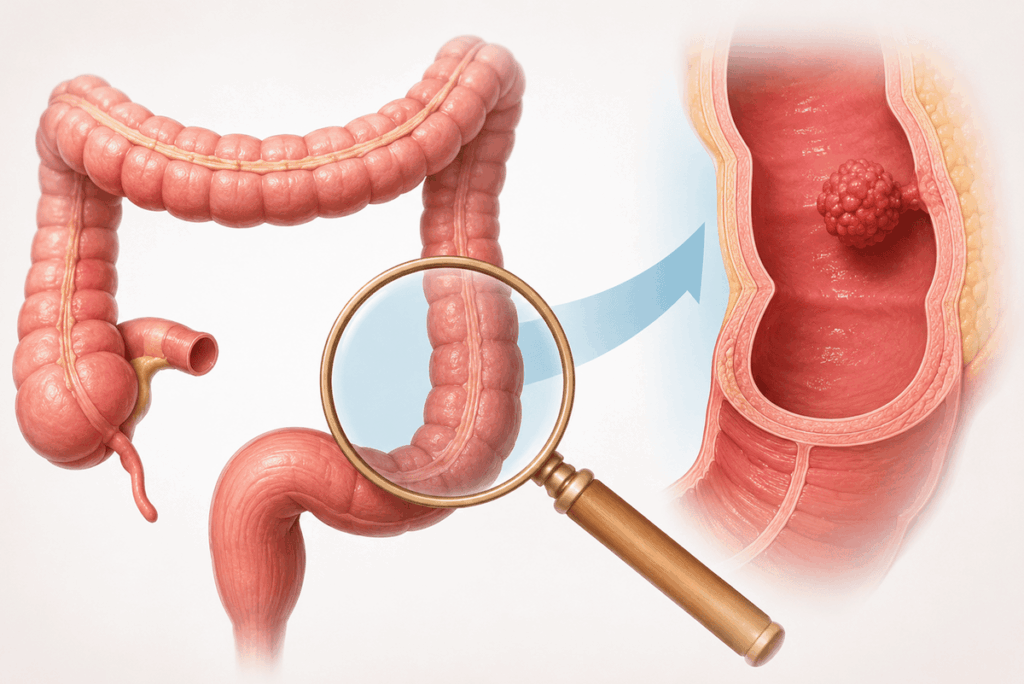
Hemorrhoids are not a strange or rare disease; they are essentially natural tissue and cushions present in everyone at the junction of the rectum and anus. This tissue works with the sphincter muscle to ensure complete anal closure and prevent involuntary leakage. The presence of these cushions is not the problem—the issue begins when they enlarge beyond normal size, causing symptoms like bleeding, pain, or the feeling of a lump to appear.
Several factors contribute to the enlargement of hemorrhoid tissue. Among the most prominent is severe straining during bowel movements, which often happens with chronic constipation. Pregnancy and childbirth also significantly increase pressure on this area. With aging, supporting tissues lose part of their natural elasticity. Finally, a sedentary lifestyle, lack of movement, and sitting or driving for long periods are all factors that increase pressure on the region and contribute to the problem over time.
Hemorrhoids are classified into four grades based on severity:
Grade I: Minor tissue enlargement without noticeable prolapse.
Grade II: Hemorrhoids prolapse during straining but spontaneously return to their place afterward.
Grade III: Requires manual intervention to push the prolapsed tissue back into its natural position.
Grade IV: The most advanced stage, featuring permanent prolapse outside the anus that cannot be reduced manually or on its own.
Determining the grade dictates the appropriate course of treatment.
Many people delay visiting a doctor due to embarrassment, but the reality is that one in two adults experiences a hemorrhoidal issue at some point in their life. The condition is extremely common and nothing to be ashamed of. Crucially, do not wait until symptoms worsen; early intervention offers a greater chance for treatment via simpler, less invasive means and reduces the likelihood of needing complex surgery later.
Treatment does not immediately begin with surgery. In mild cases, conservative management and lifestyle adjustments are used, such as increasing dietary fiber and fluid intake. If the condition requires an intervention, advanced options like laser therapy offer minimal surgical intrusion and faster recovery. Another available modern option is the THD procedure. Each case is evaluated individually to determine the most suitable treatment.
The THD (Transanal Hemorrhoidal Dearterialization) technique uses a Doppler device to pinpoint the location of the hemorrhoidal arteries with high precision. These arteries are then ligated without cutting or excising tissue. The primary advantage is that it preserves the natural anatomy of the region, leading to less postoperative pain and a faster recovery period compared to traditional excisional surgery.
WhatsApp us